Catholicism
Frequently Asked Questions:
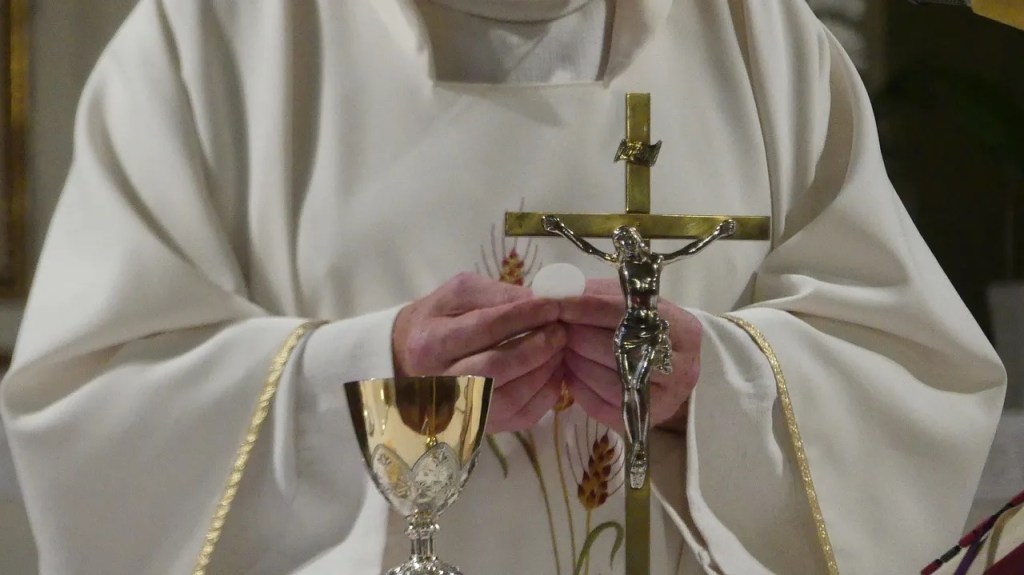
- I am not Catholic, may I attend Catholic Mass?
Yes, we welcome everyone to this celebration of the Eucharist as our brothers and sisters. With our Christian brothers and sisters in particular, we pray that our common baptism and the action of the Holy Spirit in this Eucharist will draw us closer to one another and begin to dispel the sad divisions which separate us. We pray that these will lessen and finally disappear, in keeping with Christ’s prayer for us “that they may all be one” (Jn 17:21). (Source) - What can I expect to experience during a typical Sunday Mass?
Catholic Mass is made up of two main parts, the Liturgy of the Word and the Liturgy of the Eucharist. During the first part, the Liturgy of the Word, we hear several readings from the Bible followed by a short homily. The Liturgy of the Eucharist is centered around Jesus Christ truly becoming present on the altar under the appearances of bread and wine. This is followed by the Communion Rite and dismissal. - Who may receive Holy Communion?
Catholics who (1) are in the state of grace, that is Catholics without unconfessed mortal sins, who also (2) believe in the doctrine of transubstantiation, (3) observe the one hour fast before Holy Communion, and (4) are not under ecclesiastical censure are eligible and encouraged to to receive the Eucharist frequently. Because Catholics believe that the celebration of the Eucharist is a sign of the reality of the oneness of faith, life, and worship, members of those churches with whom we are not yet fully united are ordinarily not admitted to Holy Communion. Eucharistic sharing in exceptional circumstances by other Christians requires permission according to the directives of the diocesan bishop and the provisions of canon law. (Source) - What makes the Catholic Church different from any other Christian church?
The Catholic Church was founded by Jesus while every other Christian sect was founded by someone who disagreed with Catholic teaching to the point that they decided they would rather be outside the Church and her promise of salvation than be obedient. - What is the Catholic view on justification and salvation?
Catholics believe we are saved by grace through faith, working itself out in love. We cannot merit eternal life but we must constantly conform our hearts, minds, and lives to the commands of God. To “repent” means to “change the way you think.” As sons and daughters of God, we must think as God does. This requires constant progress in sanctification with the ultimate goal of being one with God in eternity. At all times, we have a free choice to conform ourselves to God’s will or to choose our own will and separate ourselves from His love. Sin, especially if it is a grave sin, is our free choice to not accept salvation. Therefore, anytime we have sinned, we must reconcile ourselves with God and His Church through the sacrament of Penance in order to repair the relationship with God that we destroyed by saying “no” to His will. - Why must Catholics attend Mass every Sunday?
Sunday Mass fulfills God’s Law… The Commandment is not a suggestion or a request; it is a command or an order. The law makes compulsory what we should want to do on our own… Some make the unfortunate claim: “I can pray by myself and I do not need to go to church.” Usually the more negligent a person becomes with their Mass attendance, the more negligent the person becomes with their private prayer… Read the whole article here.
Additional Resources
- Non-Catholics
- Catholics
- Catechists/Parents
Every step of you faith journey is important and is being used by Christ. Christ is calling you to the fullness of truth by using everything that happens in your life, good or bad. The Catholic faith is the fullness of truth and the final destination that Christ desires for you because it is the Church He founded. Below are some resources that will hopefully shed some light on what we believe as Catholics and how to become Catholic.
What Catholics Believe – Catholic Diocese of Lansing Website
Aren’t We Saved by Faith Alone? – Catholic Answers
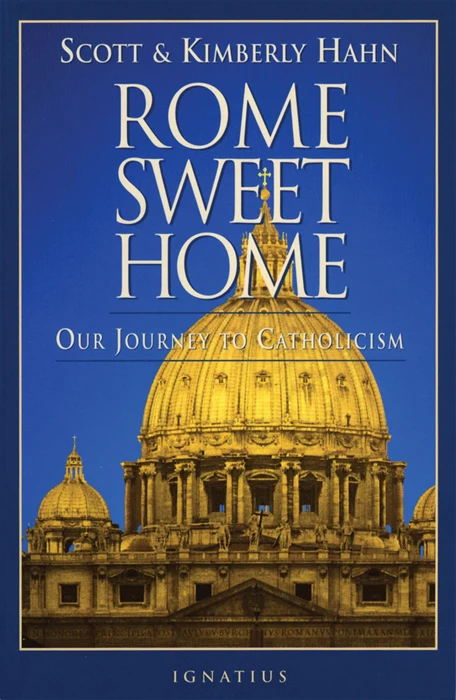
Book Recommendation:
Rome Sweet Home by Scott and Kimberly Hahn
Each and every Catholic is called to continually study and learn more about their faith.
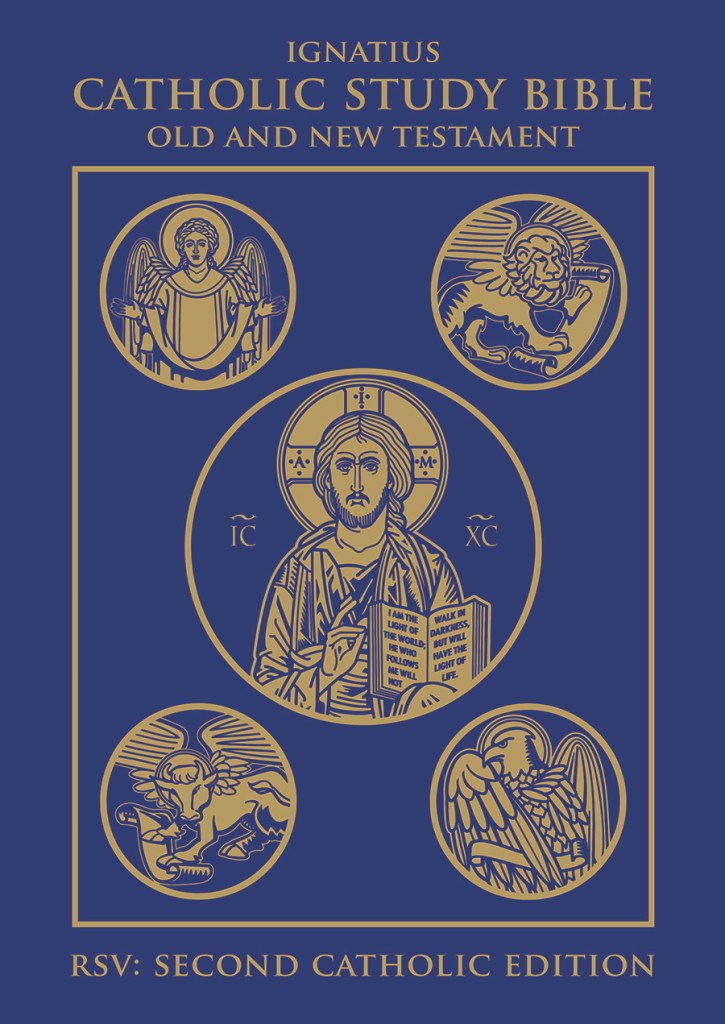
Ignatius Catholic Study Bible
Old and New Testaments, RSV2CE

The Great Adventure Bible, RSV2CE
Couple this with The Bible in a Year Podcast (with Fr. Mike Schmitz)

The Catechism of the Catholic Church
Couple this with The Catechism in a Year Podcast (with Fr. Mike Schmitz)
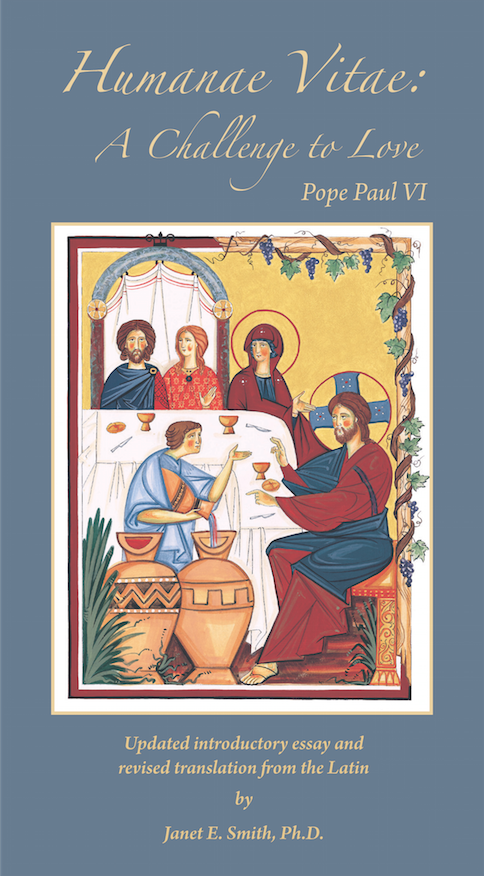
Humanae Vitae – 1968 Encyclical Letter by Pope Paul IV
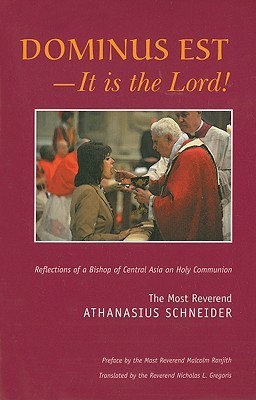
Dominus Est: It is the Lord – By Bishop Athanasius Schneider
Vatican II FAQs – Word On Fire
The Truth About Cohabitation – Diocese of Charleston

Catholics Can’t Be Pro-Choice – Trent Horn
Catholic Answers

The Catechism Explained – Fr. Francis Spirago

Vatican II Collection – Word On Fire
Catechists are instrumental in passing along the Catholic faith to the next generation. Parents, godparents, and those who teach the faith in any capacity to others are Catechists and should take their sacred duties very seriously. They all have a responsibility to know and live their Catholic faith in a way that will not lead any “one of these little ones who believe in me to sin” (Matthew 18:6).
Guide for Catechists – Congregation for the Evangelization of Peoples

The Confraternity of Christian Doctrine – Carolyn McKinney
General Directory for Catechesis – Congregation for the Clergy
This bibliography is the one referenced in the above article by Carolyn McKinney